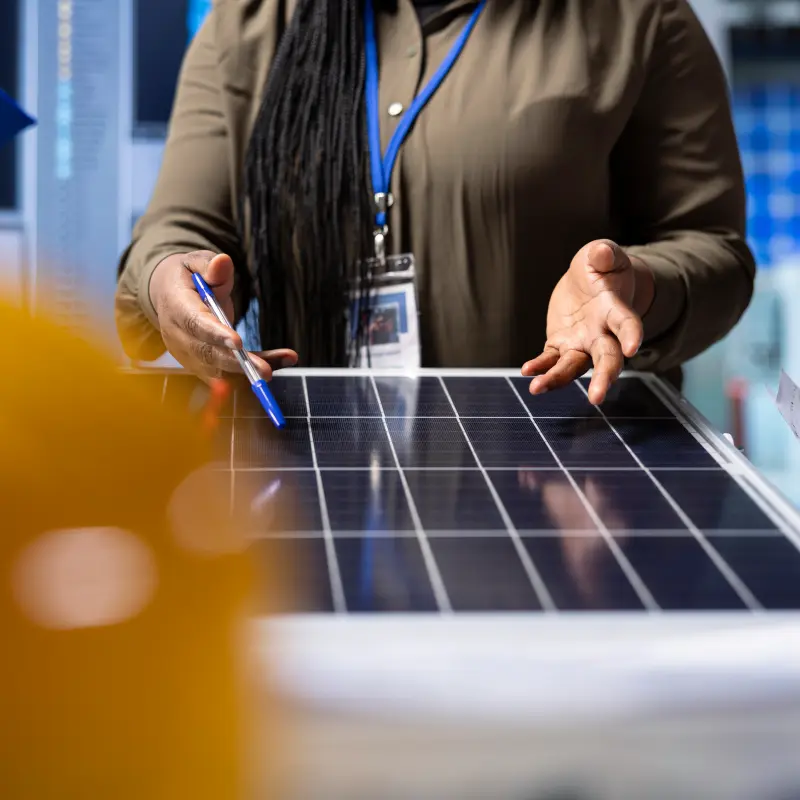

System technology
A rendszer minőségét a technológiai döntések határozzák meg.
Az inverter, a panel és az architektúra összehangolása teremti meg a stabil, bővíthető és üzletileg is védhető energiarendszert.
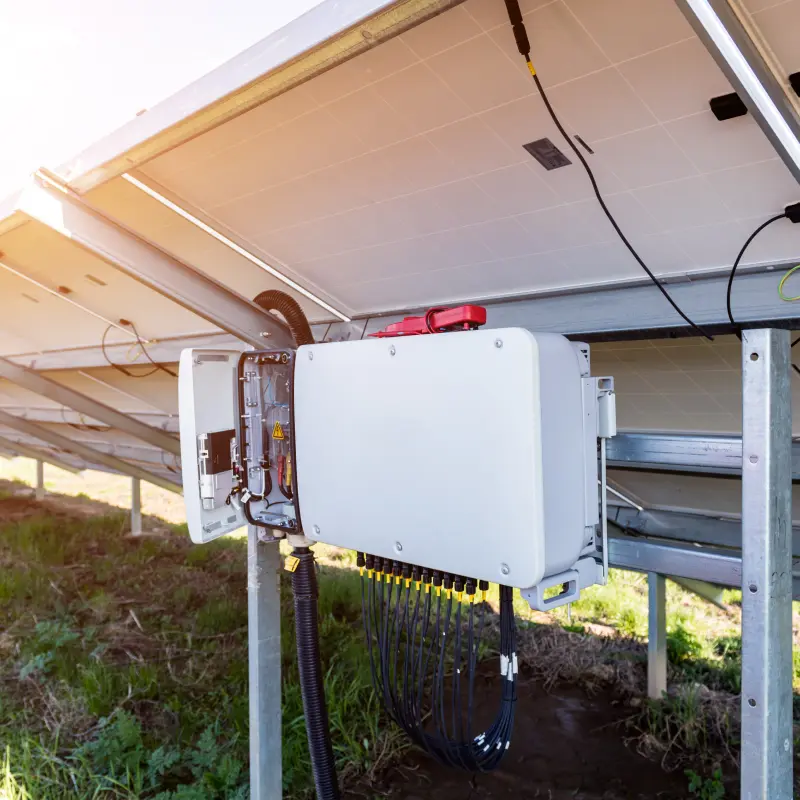
The inverter — the operational core of the system
The inverter is the central element of the renewable system: it does not merely convert energy, but defines the operational logic and expandability of the system.
A key consideration in the selection process is whether the system is suited to symmetric or asymmetric loading, and whether a hybrid inverter enables future energy storage capabilities. In residential and smaller commercial environments, asymmetric operation can offer a significant advantage, while in larger systems the architecture and grid parameters determine the optimal solution.
Stable operation and reliable manufacturer support ensure that the investment concept is realised not only at the planning level, but throughout the entire lifespan of the system.
The panel — the physical foundation of production
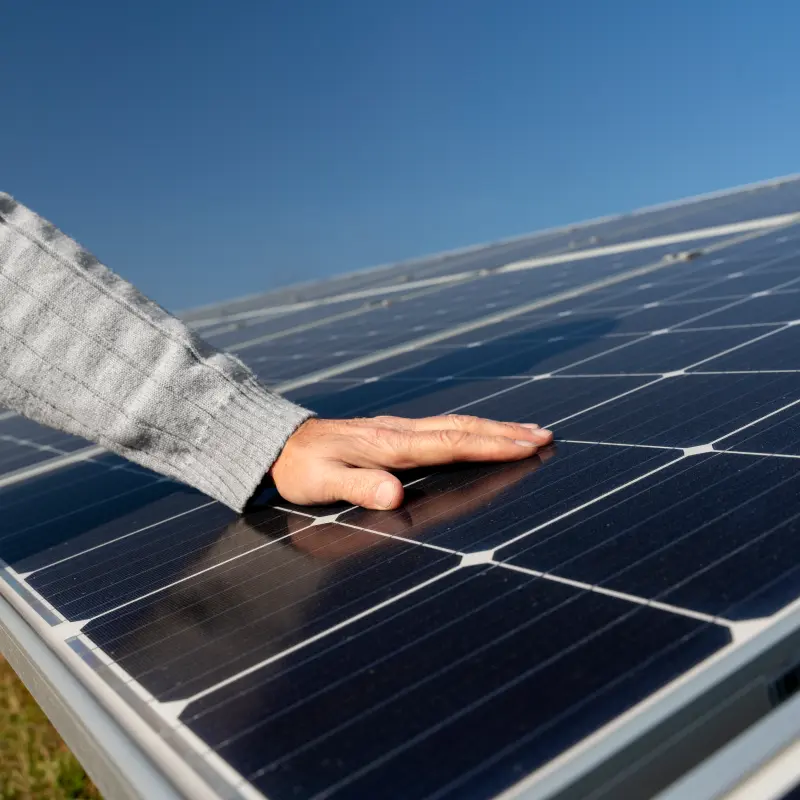
The performance of a solar system depends not solely on the nominal wattage, but on the alignment of available surface area, installation environment, and technological characteristics.
The power density of modern panels is now nearly identical, so the available roof or installation surface typically determines what size and configuration of modules can best optimize coverage. Aesthetic considerations — framed, full-black, or custom-appearance panels — are primarily relevant in residential environments, while in industrial installations technical rationality takes precedence.
From a technological perspective, the difference between P-type, N-type, and HJT cells manifests primarily in thermal behaviour, degradation rate, and performance under low-light conditions. The choice is therefore not merely about initial nominal output, but about long-term operational stability.
System expansion and integration opportunities
The selection of system technology is not only about current performance requirements, but also about the directions in which the system can be developed in the future.
The inverter and the chosen manufacturer ecosystem determine what devices and functions can be integrated into the system: energy storage, electric vehicle charging, smart-controlled loads, or smart meter-based load monitoring. Equally important in industrial environments may be the possibility of cooperation with diesel generators, or structured access to production data, including through an open API.
The technological decision is therefore not the selection of individual pieces of equipment, but the establishment of an energy infrastructure that remains integrable, expandable, and digitally interpretable.